Introduction
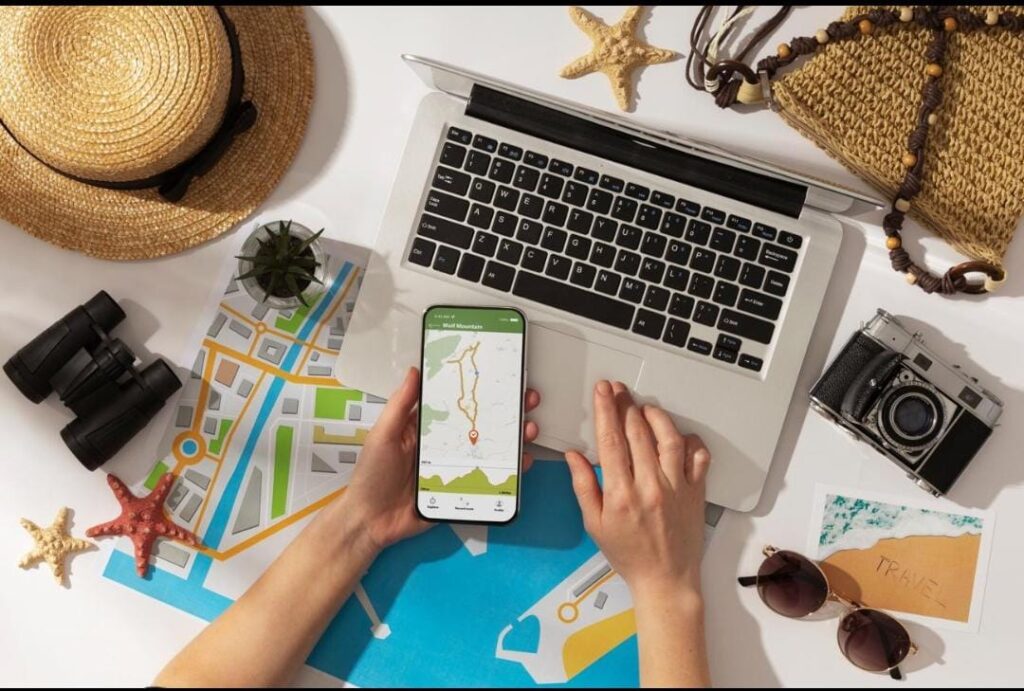
Technology has changed the way people plan, book, experience, and share their journeys. From artificial intelligence and virtual reality to mobile applications and digital payments, technology is creating new opportunities for businesses across the travel and tourism industry.
For tourism businesses, adopting the right technology is no longer simply an advantage—it can be an important part of staying competitive.
- Smarter Travel Planning
Travelers can now research destinations, compare options, create itineraries, and make bookings online within minutes.
Tourism businesses can use digital platforms to provide travelers with faster and more personalized information.

- Artificial Intelligence in Tourism
Artificial intelligence is becoming increasingly useful in the travel industry.
AI can help businesses:
- Respond to customer enquiries.
- Recommend destinations and activities.
- Personalize travel experiences.
- Analyze customer preferences.
- Improve marketing strategies.
3. Virtual Reality Creates New Experiences
Virtual Reality (VR) allows travelers to experience destinations before they visit them.
Hotels, attractions, museums, educational institutions, and tourism organizations can use VR to showcase their experiences in an engaging way.
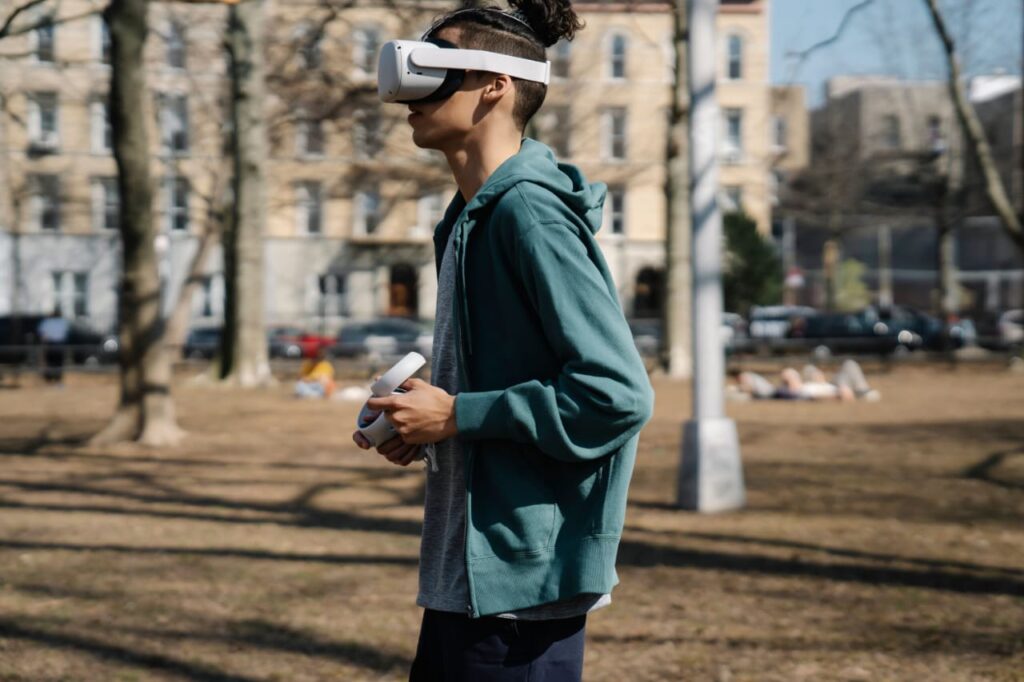
This can help customers make more informed decisions while creating excitement about a destination.
- Social Media Influences Travel Decisions
Social media has become one of the most powerful sources of travel inspiration.
Travelers discover destinations through:
- Instagram Reels
- YouTube videos
- TikTok
- Travel blogs
- Customer reviews

A strong digital presence can therefore help tourism businesses reach new audiences and build brand awareness.
- Personalized Customer Experiences
Today’s travelers increasingly expect experiences that match their interests.
Technology allows tourism businesses to understand customer preferences and provide more personalized recommendations, packages, and communications.
A personalized experience can improve customer satisfaction and encourage repeat business.
- Digital Payments Make Travel Easier
Digital payment solutions have made it easier for travelers to pay for hotels, tours, attractions, transportation, and other services.
Simple and secure payment options can make the booking process more convenient for international travelers.
- Data Helps Businesses Make Better Decisions
Tourism businesses can use data to understand customer behavior, popular destinations, booking trends, and marketing performance.
Using these insights can help businesses make smarter decisions about products, pricing, promotions, and customer engagement.
What Does This Mean for Tourism Businesses?
Technology should not replace the human side of tourism. Instead, it should help businesses deliver better service, improve efficiency, understand their customers, and create memorable experiences.
The businesses that successfully combine technology with human connection can create stronger relationships with travelers and build long-term growth.
How Travel By Raj Can Help
At Travel By Raj, we believe innovation can play an important role in the future of tourism.
Through tourism consultancy, business development, marketing strategies, training, and innovative travel solutions, businesses can identify new opportunities and adapt to the changing tourism landscape.

Conclusion
The future of travel is becoming increasingly digital, but the heart of tourism will always be people and experiences.
By embracing the right technologies while maintaining genuine human connection, tourism businesses can create better experiences, reach new customers, and prepare themselves for the future.
Looking to take your tourism business to the next level?
Connect with Travel By Raj to explore innovative strategies for tourism growth and development.